If your child is struggling in school or has a diagnosed disability, New York State offers special education services to help them learn and thrive . This guide breaks down the process in plain language so you know what to expect, what your rights are, and where to get help.
At START HERE, we know how difficult understanding these complicated processes can be. This blog post is a distillation of the Special Education process in NYS. For the full SED published parents guide this information was pulled from please view or download the document here.
What is Special Education?
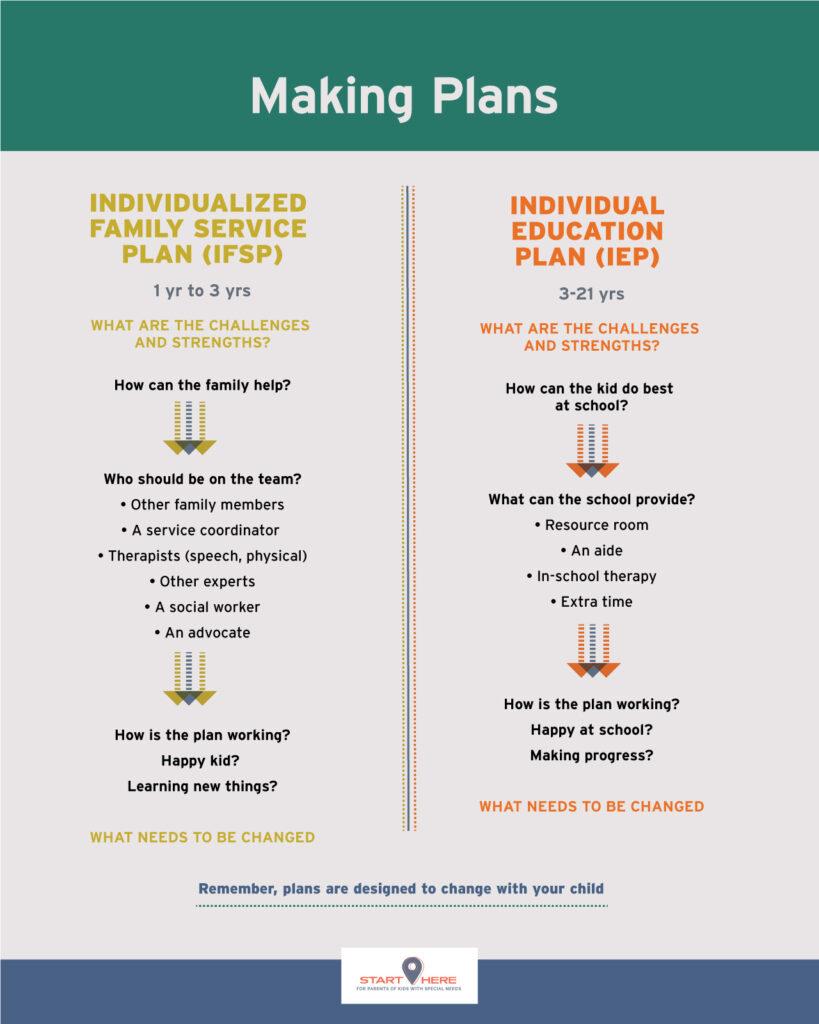
Special education is individualized support to meet a child’s unique learning needs. Services are free and can include specialized instruction, therapies, supports in a regular classroom, or separate programs — whatever is needed to help your child succeed. Special education in NYS is for children from ages 3-21.
The Special Education Process
Here’s how it works, step-by-step:
Step 1: Referral
If you think your child may need special education:
- For preschool (ages 3–5): Contact your school district’s Committee on Preschool Special Education (CPSE).
- For school-age (5–21): Contact the Committee on Special Education (CSE).
Referrals can also be made by teachers, doctors, or other professionals.
A referral is just a written request for the school to evaluate your child.
Step 2: Evaluation
The school will ask for your written consent before evaluating.
Evaluations may include:
- Physical exam
- Psychological assessment
- Social history
- Classroom observation
- Speech/language or other specialized assessments
All testing must be fair, in your child’s language, and at no cost to you.
You can also share private evaluations you’ve had done.
Step 3: Eligibility Decision
The committee reviews evaluation results and decides if your child qualifies for special education.
Your child must:
- Have a disability that affects learning
- Fall into one of NYS’s eligibility categories (like learning disability, autism, hearing impairment, etc.)
If your child isn’t eligible, the school may suggest other supports or consider a Section 504 plan.
Step 4: Individualized Education Program (IEP)
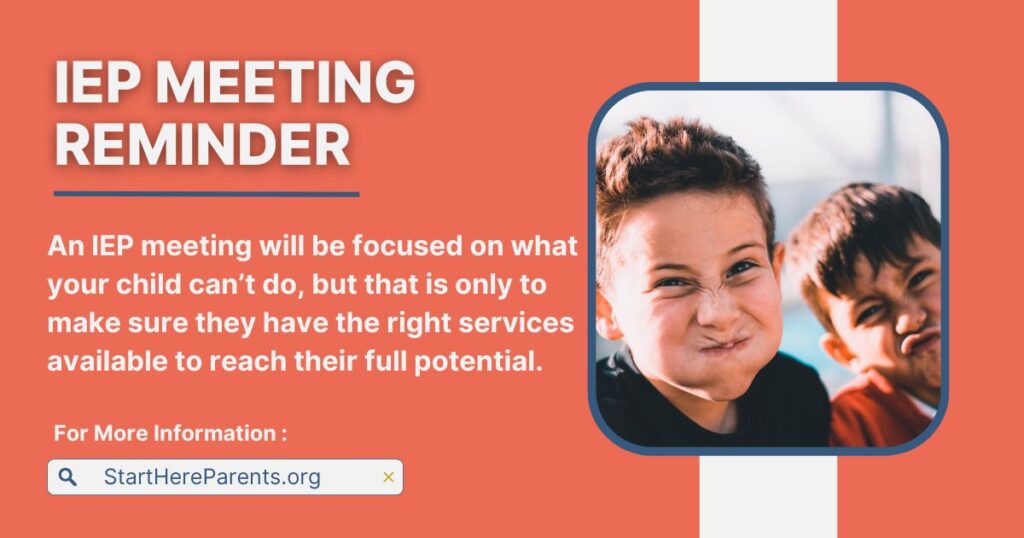
If eligible, the committee creates an IEP — your child’s learning plan.
It includes:
- Strengths and needs
- Annual goals
- Services and supports (what, how often, where)
- Any special equipment or testing modifications
- For teens: transition planning for life after high school
The law says services must be provided in the least restrictive environment — meaning as close as possible to a typical classroom.
Step 5: Annual Review & Reevaluation
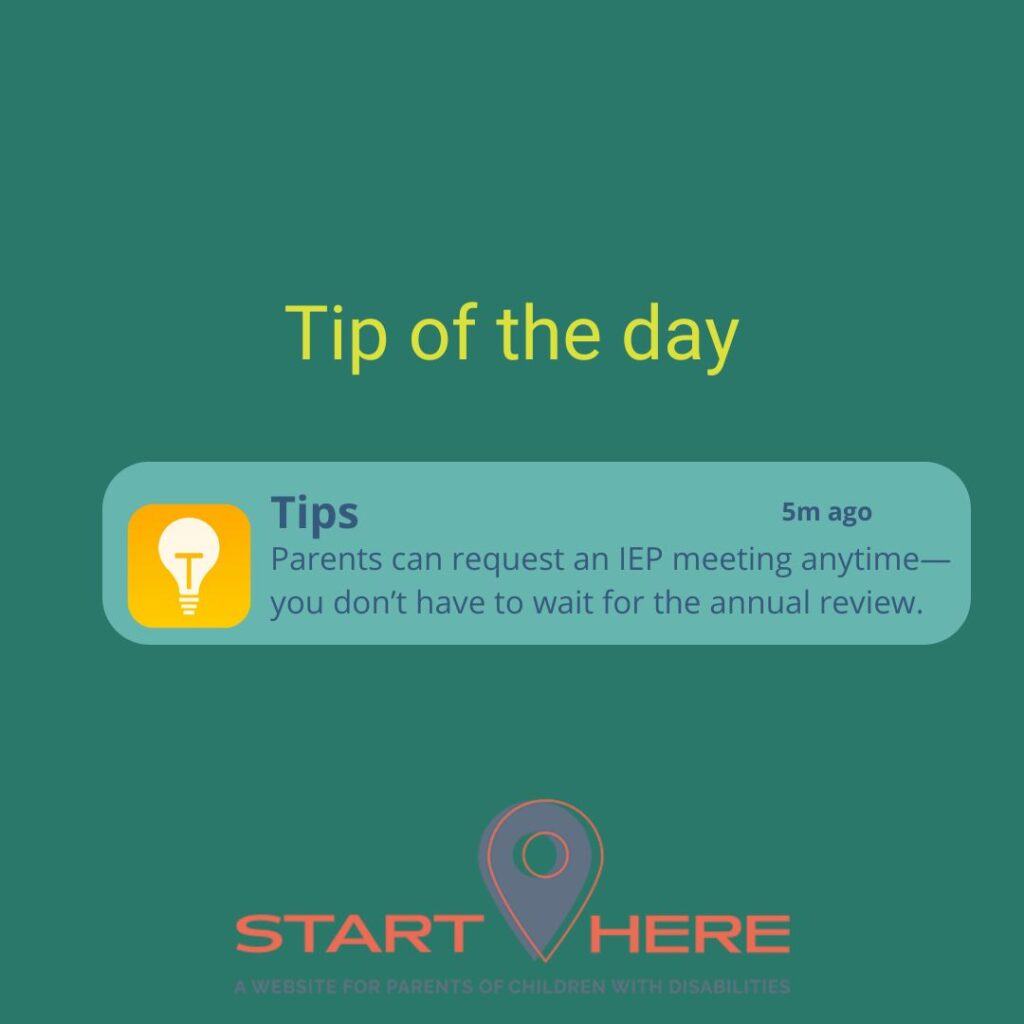
The IEP is reviewed at least once a year.
Your child is reevaluated at least every 3 years, or sooner if you or a teacher request it.
Your Rights as a Parent
You have the right to:
- Be part of all meetings and decisions
- Receive notices in a language you understand
- See your child’s educational records
- Give (or withhold) consent for evaluations and services
- Disagree with decisions and request mediation or a hearing
- Receive a copy of your child’s IEP
If you have concerns, start with your child’s teacher, then the principal, and then the CSE/CPSE chairperson.
Tips for Working With the School Team
- Keep notes from meetings
- Bring someone with you for support if you like
- Ask for explanations if you don’t understand something
- Share what works for your child at home
- Celebrate progress as well as address concerns
Helpful Resources
Parent Centers in NYS
These organizations offer free guidance and advocacy help:
Other Agency Resources
Remember: You know your child best. Special education works best when parents and schools are true partners.